

Our causes
What Leo clubs work on
Eleven causes — six of them Lions Clubs International's global causes, the rest the work clubs here were already doing. Each one is planned and run locally, by the young people who live there.
- Causes
- Eleven
- Shared with LCI
- Six of them
- Planned and run
- By clubs, locally
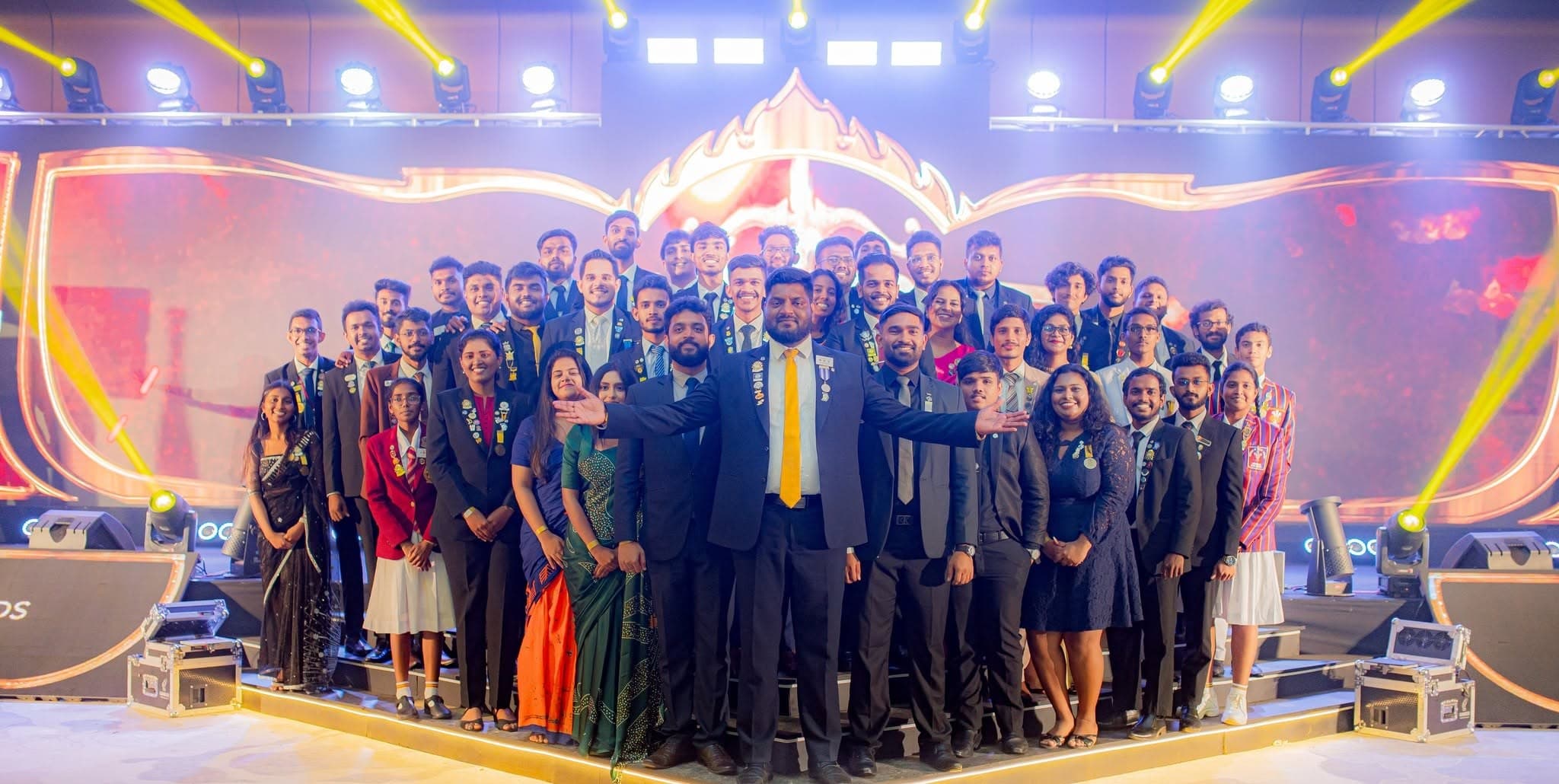
Leo Multiple District 306, Lions International
Inspiring Lives
01of 11
Hunger
Meals, food drives and school nutrition, run where clubs live.
Food security is one of Lions Clubs International's global causes. Here it shows up as disaster relief, and as steady support for families having a hard year.
02of 11
Environment
Coastlines, planting and waste, in the hands of the next generation.
Both countries are coastal, and both live with what a changing climate does to a coastline. Of the eleven, this is the one closest to home.
03of 11
Diabetes
Early detection, and the awareness that leads people to it.
Diabetes is one of LCI's global causes, and it is among the fastest-growing health burdens in South Asia — which makes early detection the part young volunteers can genuinely move.
04of 11
Sight
The oldest Lions cause, carried forward by Leos.
Helen Keller asked the 1925 convention to become “knights of the blind”, and sight work has been part of the association ever since.
05of 11
Childhood cancer
The ward, the family, and awareness that gets a child seen sooner.
One of LCI's global causes, and the half of it that suits a Leo club is the practical one: time, company and steady help for the families in the middle of treatment.
06of 11
Disaster relief
The week after the water goes down, when it is hands that are short.
The sixth of LCI's global causes, and the one that arrives on its own schedule. Floods and landslides come most years to Sri Lanka, and the sea is a standing question in the Maldives. A club is already local, already organised and already there, which is the whole of what the first week needs.
07of 11
Youth empowerment
The cause we are ourselves. Leadership, in practice.
This is why the Leo programme exists at all. Leadership, Experience and Opportunity, in that order, since 1957.
08of 11
Health and wellbeing
Blood drives, camps, and saying the words “mental health” out loud.
A blood donation camp is the project a new club of twenty runs first: it is organisable in a fortnight, the need never lapses, and it is the shortest route from a room of volunteers to somebody who needed them. The rest of this cause is the same instinct applied further — health camps, first-aid training, and the conversations about mental health that a room of young people can start more easily than an institution can.
09of 11
Education and literacy
Books, a library that works, and the costs that end a schooling.
The gap is rarely the school. It is a set of books, a uniform, a bus fare, an exam entry — small amounts arriving at the wrong moment, which is exactly the size of problem a club can solve. The library and reading work sits alongside it, because a shelf that is stocked once is a shelf that empties.
10of 11
Elders and community
Elders' homes, and the ordinary repair of a place people live in.
Two things that belong together: time given to elders' homes and to people living alone, and the plain maintenance of a shared place — a well, a playground, a road sign, a repainted ward. Neither photographs like a global cause. Both are what a club is asked for most often by the town it is in.
11of 11
Animal welfare
Strays, sterilisation, and the animals nobody else counts.
Street dogs and cats, temple animals, and the working animals of a rural district. The service is unglamorous and specific — feeding rounds, vaccination and sterilisation drives run with a vet, shelter support — and clubs keep choosing it, which is the argument for naming it rather than filing it somewhere it does not fit.